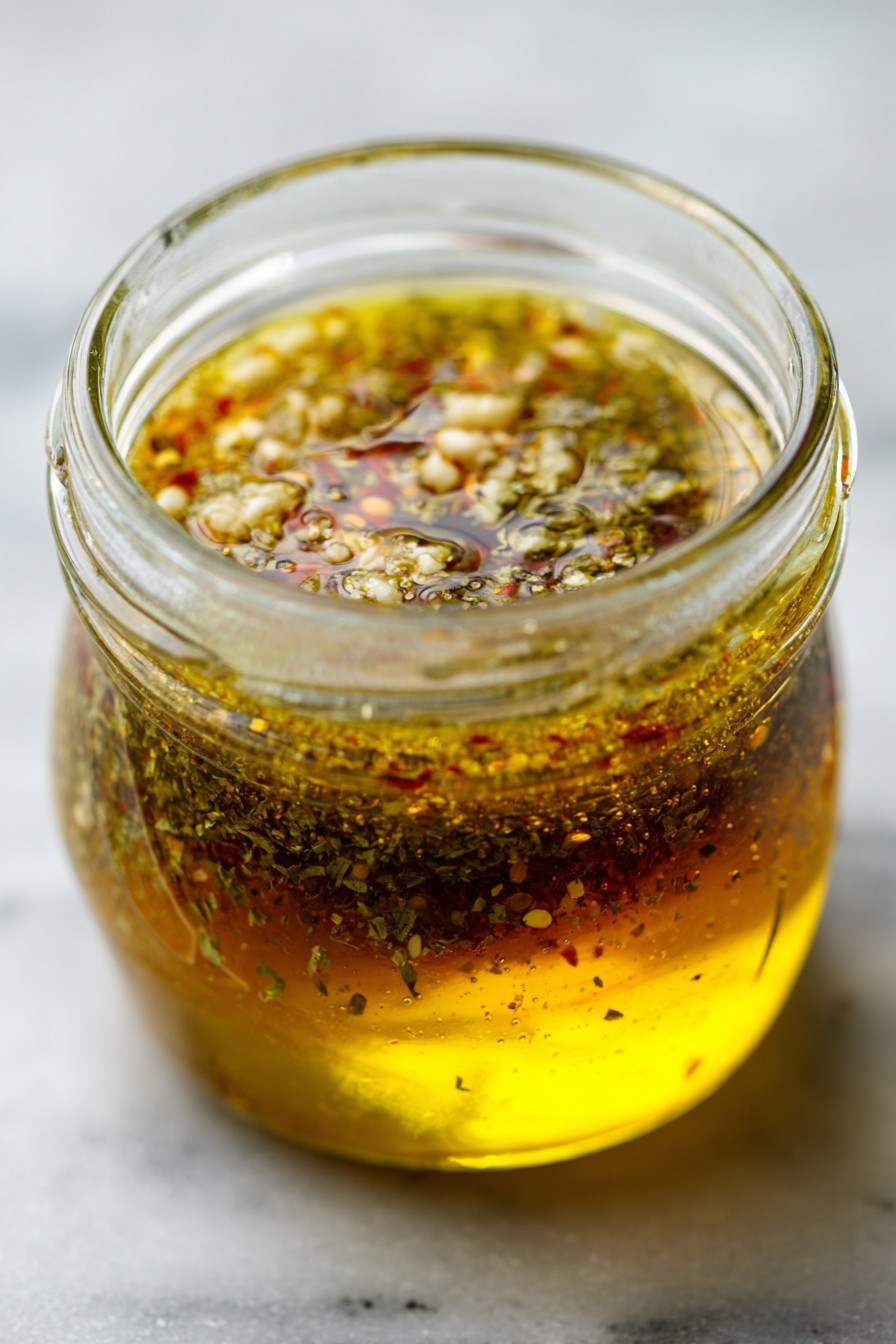
Your New Go-To: Versatile Greek Dressing for Any Salad
Are you tired of lackluster salads that leave you feeling uninspired? Do you dream of vibrant, fresh flavors that elevate simple ingredients into a memorable meal? Look no further than homemade greek salad dressing. This easy, zippy, and incredibly versatile condiment is poised to become your new kitchen staple, transforming everything from a basic bowl of greens to a hearty grain bowl or a succulent marinade.
While many of us reach for a store-bought bottle, the truth is that the best Homemade Greek Dressing: Easy, Zippy, and Better Than Bottled is astonishingly simple to whip up at home. Forget artificial thickeners, preservatives, and questionable ingredients. A homemade version delivers a burst of authentic flavor, unmatched freshness, and the satisfaction of knowing exactly what goes into your food. Its robust, balanced profile, a harmonious blend of tart, herby, and garlicky notes, perks up every bite without overwhelming the natural deliciousness of your chosen ingredients.
The Anatomy of an Irresistible Greek Salad Dressing
The magic of an exceptional greek salad dressing lies in its simple yet powerful combination of core ingredients. Each component plays a vital role in creating that signature flavor that keeps you coming back for more:
- Extra Virgin Olive Oil: This isn't just any oil; it's the heart of the dressing. Opt for a good quality extra virgin olive oil, preferably a Greek varietal, for its fruity, peppery notes and rich texture. It carries the flavors beautifully and provides that quintessential Mediterranean richness.
- Red Wine Vinegar: The essential acidic component, red wine vinegar delivers the tartness that cuts through the richness of the oil and freshens the palate. Choose a quality vinegar for a cleaner, more robust tang.
- Fresh Garlic: Mince it finely or crush it for maximum flavor. Fresh garlic adds a pungent, aromatic kick that is indispensable. There's simply no substitute for its vibrant taste compared to garlic powder.
- Dried Oregano: This herb is non-negotiable for an authentic Greek flavor profile. Greek oregano is particularly potent and fragrant. While fresh oregano can be used, dried often offers a more concentrated flavor for dressings. Rub it between your palms before adding to release its essential oils.
- Dijon Mustard: Often a secret weapon in dressings, Dijon does more than just add a subtle tang. Its emulsifying properties are crucial, helping the oil and vinegar combine into a smooth, cohesive mixture rather than separating. It also adds a slight depth and spice that complements the other ingredients.
- Fresh Lemon Juice: A squeeze of fresh lemon juice adds a bright, zesty top note that elevates the entire dressing. It enhances the tartness of the vinegar and provides an extra layer of refreshing flavor, balancing the richness of the oil.
- A Touch of Sweetener (Honey or Maple Syrup): While optional, a small amount of honey or maple syrup is a game-changer. It doesn't make the dressing sweet, but rather balances the acidity of the vinegar and lemon, rounding out the flavors and preventing any harshness.
- Salt and Freshly Ground Black Pepper: These fundamental seasonings are critical for enhancing all the other flavors. Season to taste, remembering that proper seasoning can make all the difference.
Beyond the Bowl: Unleashing the Versatility of Greek Dressing
While its name suggests a primary use, the utility of a well-crafted greek salad dressing extends far beyond the classic cucumber, tomato, and feta combination. Its balanced, vibrant flavor profile makes it a true culinary chameleon, ready to adapt to countless dishes:
- The Quintessential Greek Salad: Of course, its primary role remains to dress a traditional Greek salad. Think crisp cucumbers, juicy tomatoes, briny Kalamata olives, thinly sliced red onion, crunchy bell peppers, and creamy feta cheese. Sometimes, adding a bed of crisp romaine or tender spinach can create a heartier meal.
- Marinade Marvel: The acidity in the vinegar and lemon juice, combined with the aromatics, makes this dressing an exceptional marinade. Use it to tenderize and flavor chicken, pork, lamb, fish, shrimp, or even firm tofu before grilling, baking, or pan-searing. Let proteins soak for at least 30 minutes, or up to several hours for deeper flavor.
- Roasted Vegetable Enhancer: Drizzle Greek dressing over an assortment of vegetables—zucchini, bell peppers, asparagus, broccoli, potatoes, or cherry tomatoes—before roasting. The heat caramelizes the vegetables while the dressing infuses them with bright, herby notes.
- Grain Bowl Game Changer: Transform a simple grain bowl (quinoa, farro, couscous) into a flavor explosion. Combine the dressing with your cooked grains, roasted vegetables, chickpeas, fresh herbs, and a protein of choice for a wholesome, satisfying meal.
- Pasta Salad Perfection: Forget heavy, mayonnaise-based pasta salads. Greek dressing makes for a light, refreshing, and incredibly flavorful pasta salad. Toss it with cooked pasta, cherry tomatoes, cucumbers, feta, olives, and bell peppers for a fantastic side dish or light lunch.
- Dipping & Drizzling: Serve it as a dip for warm pita bread, crusty baguette, or a platter of fresh crudités. A drizzle over hummus, grilled halloumi, or even scrambled eggs can add an unexpected layer of flavor.
- Sandwich & Wrap Spread: Skip the mayo and use Greek dressing as a vibrant spread for sandwiches, wraps, or even as a base for a chicken or tuna salad.
Crafting Your Own: A Simple Guide to Homemade Excellence
The beauty of making your own greek salad dressing lies in its utter simplicity. While some traditionalists might advocate for slowly whisking in oil to create a perfect emulsion, there's a much easier, equally effective method that home cooks adore:
The Shake & Serve: The Secret to Tart, Herby, Greek Dressing method. Grab a jar with a tight-fitting lid – a Mason jar works perfectly. Add all your ingredients:
- Start with the wet ingredients: red wine vinegar, fresh lemon juice, honey (if using), and Dijon mustard.
- Add the aromatics and herbs: minced garlic and dried oregano.
- Pour in the extra virgin olive oil last.
- Secure the lid tightly and shake vigorously for 30-60 seconds. The Dijon mustard will work its magic, helping to emulsify the dressing into a creamy, cohesive mixture.
That's it! Taste and adjust seasonings as needed. You might want a little more salt, a touch more vinegar for extra zing, or another drizzle of honey for balance. This method ensures all ingredients are thoroughly combined without the fuss of constant whisking.
Tips for Success:
- Fresh is Best: Always use fresh garlic and lemon juice. The difference in flavor is undeniable.
- Quality Ingredients: A good quality olive oil and red wine vinegar will truly elevate your dressing.
- Rest for Flavor: While delicious immediately, letting the dressing sit for 15-30 minutes allows the flavors to meld and deepen.
- Storage: Store any leftover dressing in the lidded jar in the refrigerator for up to a week. The oil may solidify slightly, which is normal. Simply let it come to room temperature for 10-15 minutes and give it another good shake before serving.
- Adjust to Taste: Recipes are a guideline. Feel free to tweak the ratios of vinegar to oil, or add more garlic or oregano, to suit your personal preference.
Why Homemade Reigns Supreme
Choosing to make your greek salad dressing from scratch offers a multitude of benefits that bottled versions simply cannot match. Beyond the superior taste, there's a powerful argument for homemade that appeals to health-conscious and budget-savvy individuals alike:
- No Unwanted Additives: Commercial dressings often contain artificial thickeners, colors, preservatives, and high-fructose corn syrup. When you make it yourself, you control every ingredient, ensuring a clean, wholesome product.
- Superior Freshness and Flavor: The vibrant taste of fresh garlic, quality olive oil, and potent oregano simply can't be replicated by mass-produced alternatives that have sat on a shelf for months.
- Customization: Tailor the dressing to your exact preferences or dietary needs. Want it less acidic? Use less vinegar. Prefer a sweeter note? Add a bit more honey. Need it low-sodium? Adjust the salt. This level of control is impossible with pre-made options.
- Cost-Effective: The ingredients for homemade Greek dressing are pantry staples, and buying them once will allow you to make several batches, proving far more economical in the long run than repeatedly purchasing bottled versions.
- Dietary Control: If you're managing allergies, intolerances, or specific dietary plans (like gluten-free, dairy-free, or vegan), making your own ensures your dressing meets those requirements.
Embracing homemade greek salad dressing is more than just making a condiment; it's about investing in fresher flavors, healthier eating, and the pure joy of culinary creation. Once you experience the unparalleled taste and versatility of this simple, vibrant dressing, you'll wonder how you ever lived without it. It's truly a game-changer for any kitchen, turning ordinary meals into extraordinary experiences with just a few shakes.
